
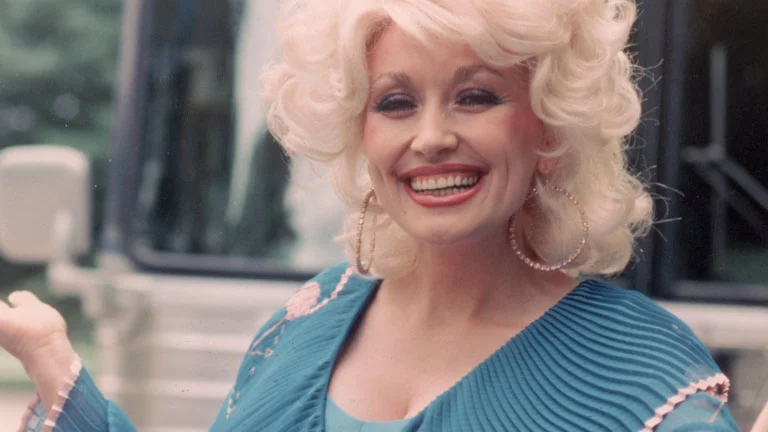
Happy 70th Birthday, Dolly Parton
Dolly Parton is a badass and today she turns 70 years old.
I've loved Dolly for a long, long time. It started with her completely charming and totally endearing portrayal of Truvy in Steel Magnolias - one of my top 5 favorite movies of all time. In fact, I really fell in love with Dolly the actress before I fell in love with Dolly the musician.
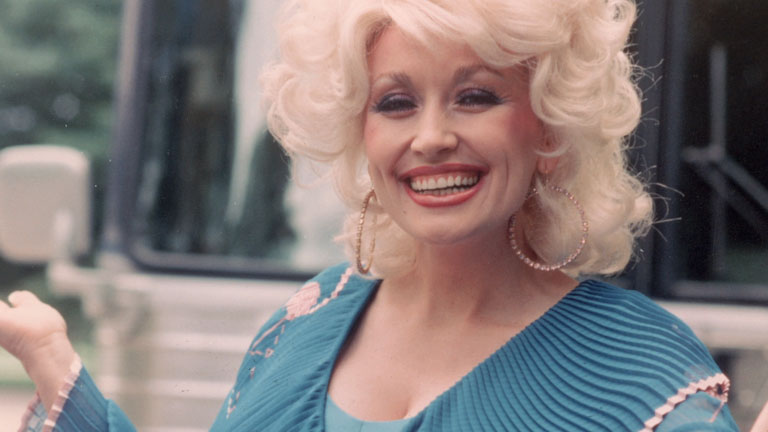
Dolly Parton is a badass and today she turns 70 years old.
I've loved Dolly for a long, long time. It started with her completely charming and totally endearing portrayal of Truvy in Steel Magnolias - one of my top 5 favorite movies of all time. In fact, I really fell in love with Dolly the actress before I fell in love with Dolly the musician.
Eventually, I discovered Jolene (arguably one of the greatest country songs of all time) and Coat of Many Colors and the fact that she wrote I Will Always Love You.
I learned that Dolly Parton has written over THREE THOUSAND SONGS during her 70 years.
3,000.
And yet - despite her status as a truly prolific songwriter - I think Dolly's badass status comes from something much deeper and much fiercer.
Dolly Parton is one brilliant damn business woman. Seriously, listen to just a small part of her story as told (hilariously) by Drunk History.
I can't imagine what it took to stand up to her mentor and protect her music catalog, but Dolly did it and she kept doing it. At one point, Elvis Presley wanted to record that little ditty she wrote for Porter Wagoner, but he wanted half of the publishing rights. Dolly said no.
We all know how that story ended. Whitney Houston recorded it and Dolly keeps cashing. those. checks.
One of my favorite Dolly Parton quotes of all time has always been, "It doesn't bother me when people call me a dumb blonde, because I know I'm not dumb and I know I'm not blonde."
That's the other part of Dolly's complete badassery, the way she deflects all that business brilliance behind a mask of big hair, bigger boobs, and sassy jokes.
I recently heard a story about Dolly that further confirmed all my high opinions. The former minister of my childhood church recounted a story told to him by our church's sound engineer who traveled to the Ryman Auditorium to learn more about broadcasting for our church. He was there during one of Dolly's rehearsals. She was being told by one of the stage producers where to stand.
Dolly looked at him and stated plainly, "I know where you want me but that's not where I want to be."
The story could end there and it would be great. Dolly being Dolly and standing by her own opinions of what works for her.
But, it doesn't.
She then turned to her assistant and said, "Honey, write that down. That would make a great country music song." Bad. Ass.
Happy birthday, Dolly. Thanks for being a badass. Thanks for inspiring all us women to stand where we want to stand and be who we want to be.


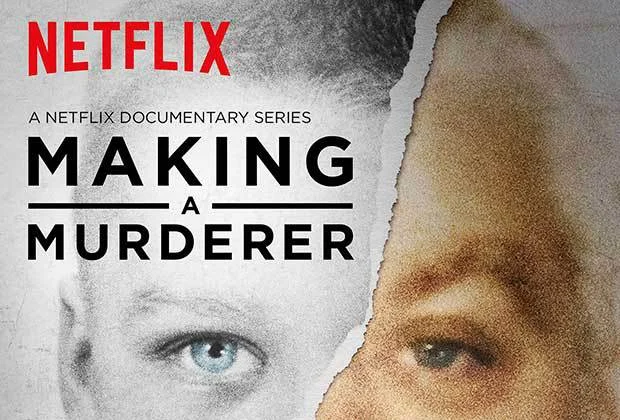
5 Important Takeaways from Making a Murderer
If my Facebook feed is any real reflection, I spent part of my holiday break like many, many of you - binge watching Making a Murderer.
For those of you who spent your break in slightly more productive ways, Making a Murderer is Netflix series that tells the true story of Steven Avery, who served 18 years for a rape he didn't commit and then was arrested for a murder two years after being released.
If my Facebook feed is any reflection, I spent part of my holiday break like many, many of you - binge watching Making a Murderer.
For those of you who spent your break in slightly more productive ways, Making a Murderer is Netflix series that tells the true story of Steven Avery, who served 18 years for a rape he didn't commit and then was arrested for a murder two years after being released.
Similar to the true crime podcast Serial that had viral success last year, Making a Murderer presents the shocking and upsetting reality of our criminal justice system and all its flaws. For those of us privileged enough to rarely interact with that system, the story of Steven Avery is jaw-dropping.
And yet, Making a Murderer isn't just the story of Steven Avery, any more than Serial was the story of Adnan Syed. These producers didn't just stumble upon the rare miscarriage of justice. These types of stories are not rare and available for anyone willing to scrape the surface. This series also illustrates several issues with our system that need to be addressed if we ever hope to improve it.
1. Innocent people go to prison all. the. time.
I'll never forget when Serial first came out and I was discussing the case with a close friend. I told her that I believed Adnan was innocent and she responded with surprise, "But he's in prison!" as if prisons only let in the guilty.
The Innocence Project estimates that anywhere between 2.3% - 5% of prisoners have been wrongly convicted. This is no small number considering the U.S. prison population is about 2.2 MILLION people.
“We will never know for sure, but the few studies that have been done estimate that between 2.3% and 5% of all prisoners in the U.S. are innocent (for context, if just 1% of all prisoners are innocent, that would mean that more than 20,000 innocent people are in prison).
More broadly, we know that innocent people are often identified as suspects by law enforcement and that DNA testing often clears them before they go to trial, but that DNA testing is impossible in the vast majority of criminal cases. In approximately 25% of cases where DNA testing was done by the FBI during the course of investigations, suspects were excluded by the testing. That doesn’t mean we believe 25% of convictions are in error, but when coupled with the fact that DNA testing is only possible in 5-10% of all criminal cases, it shows that science cannot always clear innocent suspects, which can result in wrongful convictions.”
These numbers are truly terrifying when you begin to think about the death penalty. Since 1973, 144 people have been released from death row due to wrongful conviction. A new study estimates that as many as 1 in 25 sentenced to death are innocent.
That is terrifying. I cannot fathom the reality of sitting in prison (or death row) for a crime I did not commit. The unfairness and injustice of such a situation is epic in its scope and impact.
2. Reasonable doubt is fundamentally misunderstood.
The standard of proof to deprive a citizen of their liberty is purposefully set very, very high. Legally, the government (aka the prosecutor) must argue their version of the events so conclusively that a reasonable person would have no reasonable doubt of the accused's guilt.
This is not the standard to arrest someone, which is probable cause. This is not the standard for a civil suit, which is preponderance of evidence (basically 51% of the evidence).
This standards mean there is NOany other reasonable explanation.
And - just to be clear - reasonable doubt is not just for innocent people, as the prosecutor in Making a Murderer says in his closing argument.
This standard - all the other the protections contained within our legal system from Miranda warnings to the right to counsel to the right to an appeal - are for EVERYONE. Our Constitutional rights are inalienable and imparted to us - depending on your belief system - by God or by our status as human beings.
Even the most heinous criminal is deserving of his or her rights under the law. Reasonable doubt is not a sliding scale of proof depending on the severity of the crime or your innocence.
I understand that this is neither a popular nor particularly easy truth but - to me - the alternative is so much worse. A society that deprives its citizens of their humanity based on conjecture or assumption or stereotypes is not a society I want for myself or my children.
When we decide - as Making a Murderer convincingly argues that we have - that probable cause turns the accused into the guilty and that a trial is a mere formality, when we erode the meaning of reasonable doubt by deciding it is only for the wealthy, the resourceful, or the well-represented, when we decide that we are willing to sacrifice the liberty of the innocent for the safety of ourselves, then we have gone terribly, terribly astray.
3. The type of evidence we depend on is unreliable and misunderstood.
Steven Avery is wrongfully convicted based on the eyewitness testimony of the rape victim. No one wants to believe that a woman could misidentify someone who raped her and certainly no one wants to accuse someone already traumatized of being wrong. However, it happens all. the. time. In fact, Misidentifications account for 75% of all DNA exonerations.
SEVENTY-FIVE PERCENT.
Our memories are flawed, especially when we are identifying someone of another race, and we have to accept that. (I HIGHLY recommend the story of Ronald Cotton and Jennifer Thompson-Cannino for those who would like to know more.)
Another form of evidence that is fundamentally misunderstood is the confession.
In Making a Murderer, Avery's 16-year-old nephew confesses to the crime and then recants. At his trial, the prosecutor states plainly, "No one confesses to a crime they didn't commit."
That is simply not true. Police are trained in specialized interrogation techniques that can cause vulnerable people to confess to a crime they didn't commit. A 2010 study found 25% of DNA exonerations since 1989 contained a false confession and stated that “the problem of contamination is epidemic, not episodic.”
It is difficult to image someone confessing to a crime they didn't commit, but it is another difficult reality we have to accept and understand in order to address the abuses within our system.
4. Prosecutorial and police misconduct is a reality.
Those who dedicate their lives to the very difficult job of law enforcement deserve a certain amount of respect and admiration.
What they do not deserve - and what we have given at our peril - is our total trust.
Prosecutors and police officers are human beings susceptible to the same mistakes, temptations, and fallibility we all are. The idea that we can never question their motivations or decisions is not only false but dangerous.
Our society has functioned for too long under the assumption that law enforcement officials are the good guys and those on the other side of law enforcement - from the accused to defense attorneys - are the bad guys.
This is simply not the world we live in.
Sometimes police break the law. Sometimes innocent people sit in prison for crimes they did not commit. Sometimes police officers sacrifice everything to keep us safe. Sometimes truly depraved individuals commit heinous crimes.
ALL OF THESE THINGS CAN BE TRUE. Acknowledging the existence of one does not lessen the importance of the other and I would arge we make the job of law enforcement that much harder when we insist on a one-sided story that erodes trust and puts the police on the defensive.
5. Both sides agree our system is broken.
I have purposefully not done a deep dive into the case of Steven Avery. I believe he is innocent but I don't think that is the real story of Making a Murderer. The series is the story of our broken criminal justice system. A system so broken that it is one of the few (VERY FEW) issues to receive support from both Congressional Democrats and Republicans.
We have to acknowledge this difficult reality. We have to acknowledge that we have been depending on a system that doesn't work. We have to decide to what lengths we are willing to go to make ourselves feel safe and what we are willing to sacrifice.
What happened to Steven Avery and Brenden Dassey was tragic and I truly hope their story is heard and resolved. However, stopping at their story and not reforming the system would be a true tragedy.
Here's what you can do now:
Support the Center on Juvenile and Criminal Justice
Contact your legislative officials and tell them you support reform.



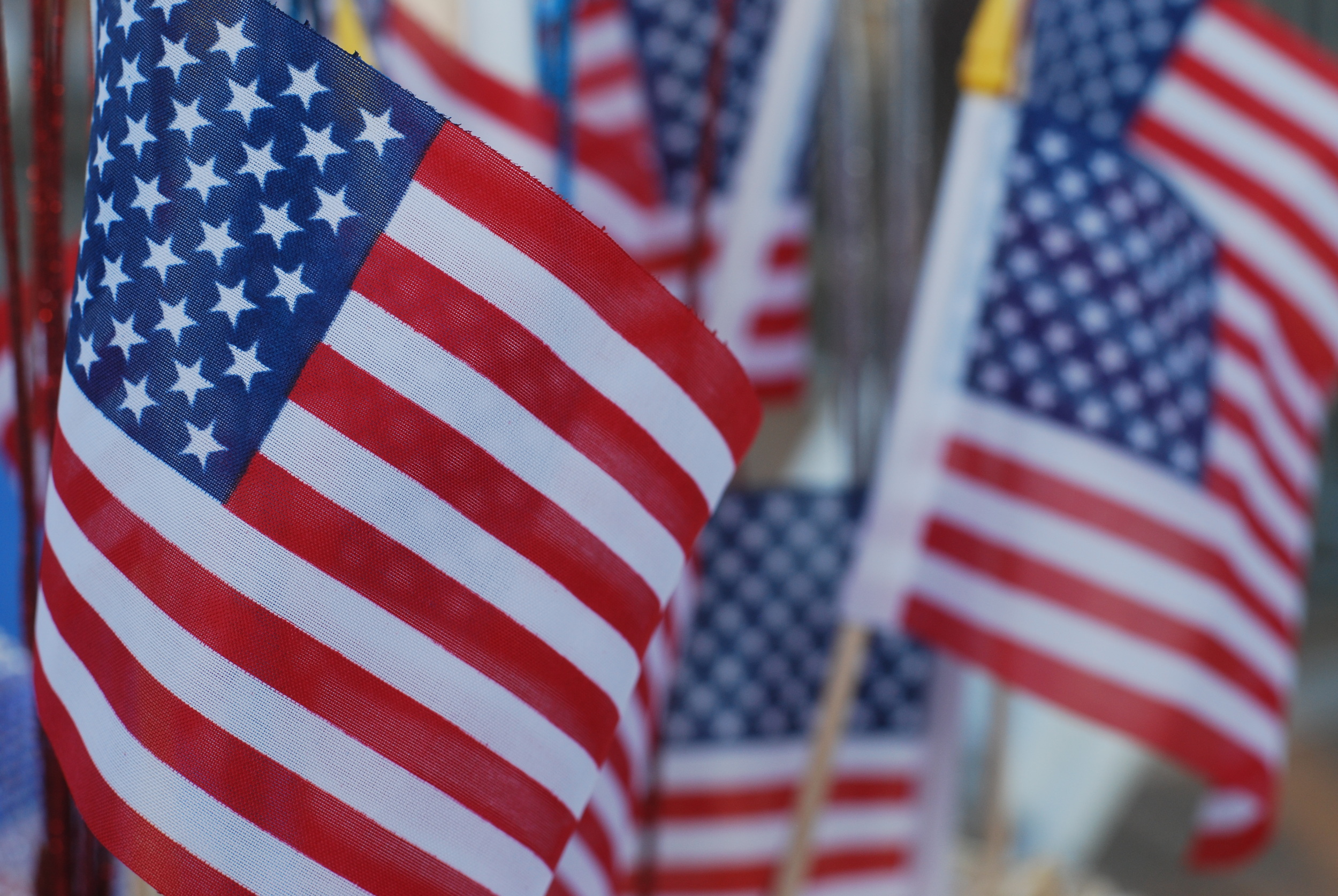

Why arguing about guns on Facebook made me more patriotic
I’ve been arguing about guns on Facebook for basically 48 hours straight.
What I’ve noticed is that after all the statistics and info graphs - after all the stories and anecdotes and emotions - the two sides seem to represent two world views.
Pro gun control: I believe the government can do something that will improve the situation and I want to try. The world is scary and I want laws to help make it less so.
Anti gun control: I do not believe the government can do anything to help and will most likely make it worse. I feel unsafe as well but government interference makes me feel even less so and I’d rather just defend myself.
Look. Both sides are valid. Both sides are little bit right. After all, government is just a reflection of ourselves - both our best AND our worst. Government can’t fix everything, but it’s not going to ruin everything either.
What I’ve also heard a lot from those opposed to legislation is - the our country/world is getting worse and there’s nothing we can do about it.
Now, THAT I do not agree with.
I’ve been arguing about guns on Facebook for basically 48 hours straight.
What I’ve noticed is that after all the statistics and info graphs - after all the stories and anecdotes and emotions - the two sides seem to represent two world views.
Pro gun control: I believe the government can do something that will improve the situation and I want to try. The world is scary and I want laws to help make it less so.
Anti gun control: I do not believe the government can do anything to help and will most likely make it worse. I feel unsafe as well but government interference makes me feel even less so and I’d rather just defend myself.
Look. Both sides are valid. Both sides are little bit right. After all, government is just a reflection of ourselves - both our best AND our worst. Government can’t fix everything, but it’s not going to ruin everything either.
What I’ve also heard a lot from some of those opposed to legislation is that our country is getting worse and there’s nothing we can do about it. That America is some sort of lost cause.
Now, THAT I do not agree with.
Are there real challenges and truly scary problems? Yes.
But I believe in the great American experiment. I believe I drink from a well I did not dig and that it is my duty and moral obligation to keep digging.
I just finished Sarah Vowell’s Lafayette in the Somewhat United States about the Revolutionary War and I'm sure Washington's barefoot soldiers wondered about the impact of marching line by line into the British army’s bayonets. I'm sure the abolitionist thought things were pretty dire in the face of an entire economy built on slavery. I'm sure Alice Paul felt despondent about the state of affairs when she was being force fed raw eggs. I'm sure the protestors on the bridge in Selma wondered if things were really going to change - if what they were doing was really going to make a difference.
BUT IT DID.
I believe in us. I believe that we can figure this out and it won’t be easy and it won’t be perfect but it will be something.
We will disagree. We will argue. That after all is the real brilliance of this great experiment.
One of my favorite parts of the Sarah Vowell’s book is the observation that it was the patriots ability to sit around and argue that basically led to the Revolution.
“Arendt suggests that the American colonists revolted ‘not because of any specifically revolutionary or rebellious spirit but because the inhabitants of the colonies’ benefited from - and here she cites John Adams - ‘ ‘the right to to assemble… in their town halls, there to deliberate upon the public affairs.’ ‘ The colonists, Arendt continues, ‘went to the town assemblies, as their representatives later were to go to the famous Conventions, neither exclusively because of duty nor, and even less, to serve their own interests but most of all because they enjoyed discussions, the deliberations, and the making of decisions.”
I’ve enjoyed the discussions and the deliberations in our virtual town hall. Sure, one person was mean but everyone else was thoughtful and insightful and civil and earnest - even with disagreeing passionately with me.
But the discussion and deliberation can’t be the end of it.
We’re Americans. We act.
We debate. We deliberate. One side backs down. The other side backs down. We reach a consensus and then we act. If that doesn’t work, we start all over again.
But we don’t give up. We don’t throw our hands in the air and surrender to problems seemingly too big to address.
This is America. There is no such thing.
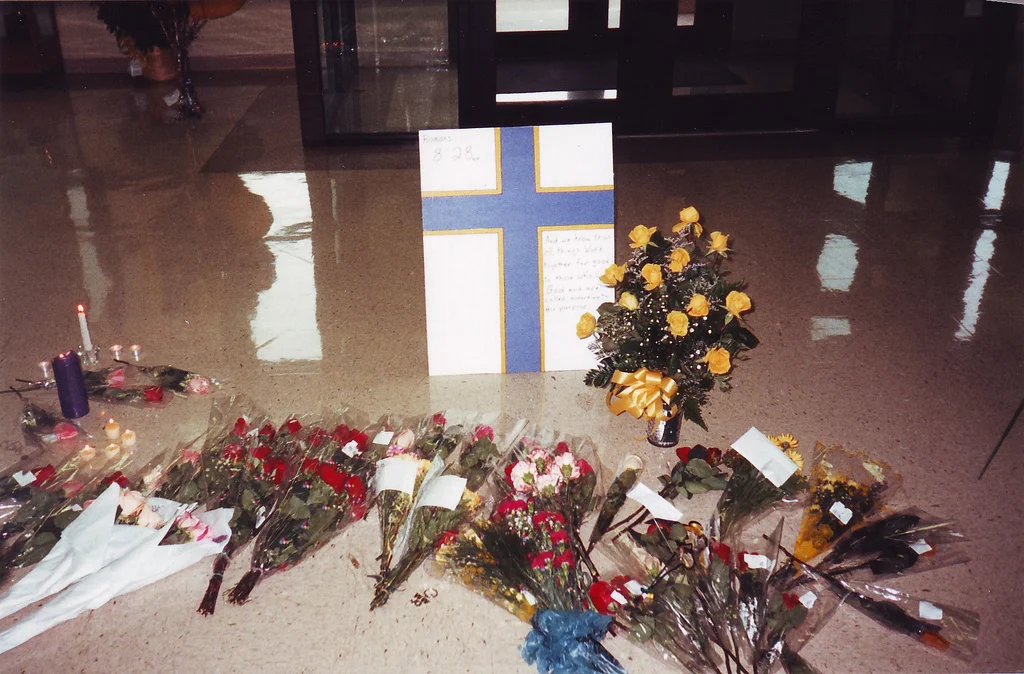
Over 500,000 people have been killed by a gun since Heath
I've written before about my what happened to me that day.
When I think back to that day, I feel an immense amount of sadness. When I think of every day since that day, I feel an immense amount of rage.

I've written before about my what happened to me that day.
When I think back to that day, I feel an immense amount of sadness. When I think of every day since that day, I feel an immense amount of rage.
Since December 1, 1997, 331 people have died in a mass shooting in the United States.
That's defining a mass shooting as the murder of more than four people - which wouldn't even have included Heath.
That means in the 18 years since my life was changed by gun violence 567,000 people have lost their lives and millions more have been forever changed.
Over 50,000 of those who lost their lives were children.
HALF A MILLION PEOPLE. 50,000 kids.
Those numbers are overwhelming. The violence is overwhelming. But we have to stop being overwhelmed.
We tiptoe around gun control. We argue that common sense gun control is all we need to make a difference and - believe me - I'm not arguing against the criminalization of assault weapons or closing the gun show loophole or even better mental health screening.
But the fact remains that the mentally ill are more likely to be victims of violence than perpetrators and making changes at the margins is not going to put a dent in our country's gun problem.
Our problem is WE HAVE TOO MANY GUNS.
Somewhere along the way we have decided as a society that a person has the right to own as many guns as they want and, as a result, people have died.
Now, if you believe that the loss of life is worth it. Fine. Then, let's have that debate, but I'm done pretending that 30,000 lives a year is the cost of being an American. I'm done pretending that more guns make us safer. I'm done pretending that one person's right to bear as many and whatever arms they want is more important than my right to the same level of safety enjoyed by people in other countries.
I'm done feeling my stomach drop when I hear of another damn shooting. I'm done with the prayers and the candles and the vigils.
I just want to scream, "If you cared what happened to me and my classmates 18 years ago, THEN WHY HAVEN'T YOU DONE ANYTHING TO KEEP IT FROM HAPPENENING AGAIN!!!"
I want gun licensing. I want a gun registry. I want a mandatory gun buyback program that takes 20% of the guns off the street and destroys them.
I want big solutions that speak to the enormity of the suffering inflicted by gun violence.
And every year another December 1st rolls around and I look back on another year filled with shootings and death the madder I get.

Welcome back Dixie Chicks
The first time I heard "I Can Love You Better". I was riding home with a friend when it came on the radio and I asked who it was.
The Dixie Chicks.
The name. The sound. The unapologetic fun.

At the Top of the World tour
The first time I heard "I Can Love You Better". I was riding home with a friend when it came on the radio and I asked who it was.
The Dixie Chicks.
The name. The sound. The unapologetic fun.
I went to Walmart the next day and bought Wide Open Spaces... on cassette tape.
I knew the words to every song within a week and can still sing them in my sleep. I sang the title track all the way to college.
She needs wide open spaces ... room to make her big mistakes.
It was my anthem - probably always will be - along with every other Southern girl who graduated from high school in the late 90s.
Fly was no different and quickly becoming the soundtrack of my life. I still remember my high school boyfriend yelling for me to "come listen to this song!" the first time we played Goodbye Earl. I also remember my college rebound from aforementioned high school boyfriend declaring Cowboy Take Me Away as "our song."
I've seen The Dixie Chicks in concert four times and on every tour. The Fly Tour by myself my freshman year because I didn't have a lot of friends yet. The Top of the World Tour (post-controversy) my senior year with a group of now lifelong friends.
The controversy was still fresh and I remember girls younger than me holding neon pink signs that declared "Natalie for president." I had written an editorial for my college paper arguing that no one should care about the group's political beliefs because they were "just" musicians.
Looking back it wasn't how I really felt, but I thought it was my strongest argument and I wanted everyone to just leave. my chicks. alone.
I was young and I wanted everything to go back to the way it was. When the Chicks were triumphant and the world was full of promise.
I got married. I went to law school. My life got more complex, but things change and things stay the same - when Taking the Long Way came out I loved it without reservation.
My husband and I bought tickets to see the Chicks in Philly. When Natalie performed Not Ready to make Nice, I thought my skin was going to jump off my body her emotion was so electric. I had not and have not experienced anything at a concert like that performance.
When the documentary Shut Up and Sing came out, I felt validated in the love I had devoted to these three women from the beginning.
They were brave and funny and smart and they loved each other unconditionally.
I would be lying if I said I didn't want more Dixie Chicks music. I do.
I bought the Courtyard Hounds album and loved it. Mother is insanely good.
Still, those three voices only tug a certain string in my heart when they join together in harmony.
And - sweet baby Jesus - it looks like that harmony is hitting the states next summer.
Welcome back, girls. My life has changed ALOT in the past ten years, but my devotion to you hasn't.
I cannot WAIT.

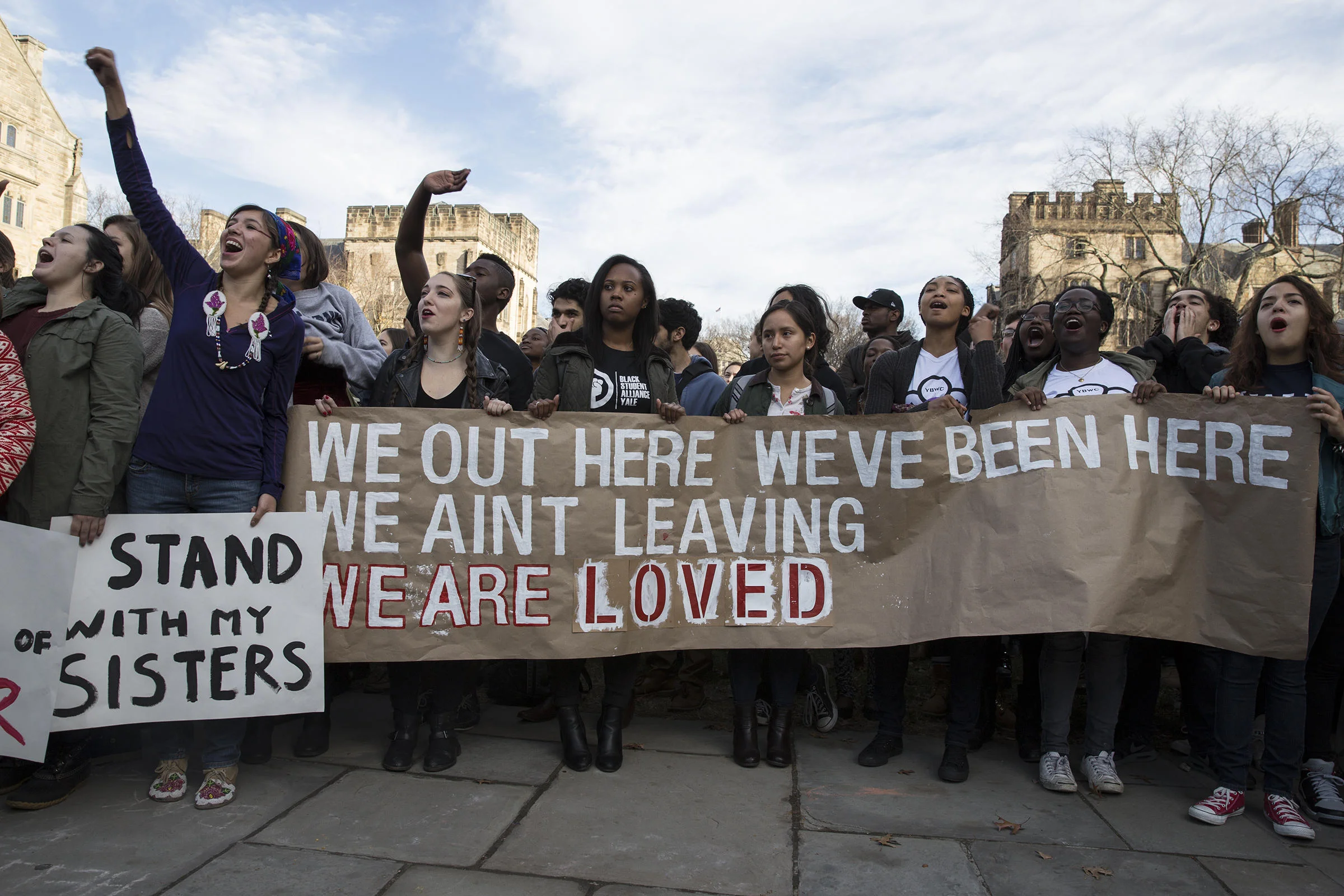
Are college campuses becoming increasingly intolerant?
On this week's episode of Pantsuit Politics, Beth and I ask if the recent uproar over an email regarding Halloween costumes at Yale is evidence of increasing intolerance among college students.
(Spoiler: Not really...)
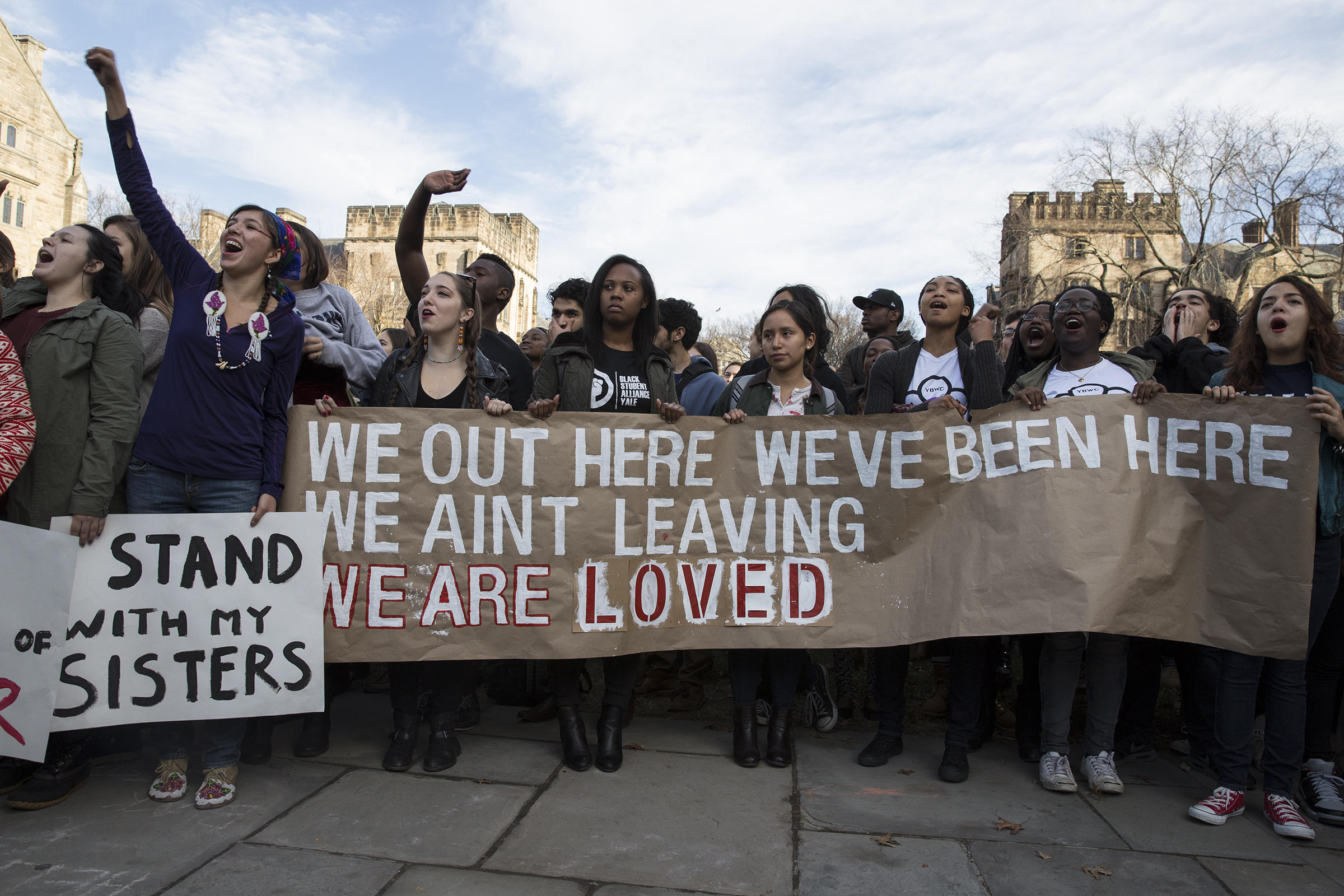
IMAGE: VICTOR WANG
On this week's episode of Pantsuit Politics, Beth and I ask if the recent uproar over an email regarding Halloween costumes at Yale is evidence of increasing intolerance among college students.
(Spoiler: Not really...)
Why I'm voting for Hillary not Bernie
I love Bernie. I’ve always loved Bernie. I loved Bernie before loving Bernie was cool.
He was always my favorite Senator to hear speak during my time in the Senate. After I moved home, every time he’d come on The Diane Rehm show I’d crank up the volume and agree loudly with everything he said. As he’d passionately defend the working poor and rail against the growing economic inequities, I’d testify like I was in church. “Amen!” “Let ‘em know, Bernie!”
But …
I’ve been here before.
I love Bernie. I’ve always loved Bernie. I loved Bernie before loving Bernie was cool.
He was always my favorite Senator to hear speak during my time in the Senate. After I moved home, every time he’d come on The Diane Rehm show I’d crank up the volume and agree loudly with everything he said. As he’d passionately defend the working poor and rail against the growing economic inequities, I’d testify like I was in church. “Amen!” “Let ‘em know, Bernie!”
But …
I’ve been here before.
I liked Barack Obama, too. I STILL like Barack Obama. I think he has been a great president, and if I could vote for him again I would. Bernie would also make a great president although one who would face very similar challenges to Barack Obama – an increasingly erratic and extremist House of Representatives and growing complexities abroad.
However, I don’t just want a great president. I don’t just want a progressive president.
I WANT A WOMAN PRESIDENT.
When I tell people (men) this, they balk. They tell me it’s outrageous to support a candidate just because she’s a woman. They mansplain all the “problems” with Hillary - as if I’ve never heard of Benghazi, as if I’m unfamiliar with the inner workings of email, as if I DIDN’T WORK FOR HER AND AM THEREFORE MORE QUALIFIED TO EDUCATE THEM ABOUT HER.
Diversity of leadership is very important to me as a voter and voting based on that value is no more or less acceptable than voting based on abortion or Wall Street reform or gay marriage.
It matters to me that Hillary Clinton is a woman and – the truth is – it matters to every single one of you as well. No one – male or female, Democrat or Republican – is immune to the effects of gender. If you believe your opinion of Hillary Clinton isn’t affected by the fact that she is a woman, you are FOOLING YOURSELF.
Can you disagree with policy positions? Absolutely. Can you think there are more important issues than the election of the first female president? Absolutely. BUT if you are using derogatory language to talk about Hillary Clinton, check yourself. If you are disparaging her looks or her wardrobe or the way she speaks, check yourself. If you are talking down to a Hillary supporter, CHECK YOURSELF.
And, for the record, I disagree with Hillary on several policy positions. I don’t believe you can – or that anyone really does – pick a candidate based solely on their policy positions. People smarter than me spend their careers researching why we vote how we vote. It’s not math. It’s psychology and it’s complex. So, let's all acknowledge that and stop pretending like we're the rational ones who are really just assessing the facts.
All I can say is that I’ve stood in a room with this woman. I’ve seen her work up close. I’ve seen how she treats her staff. This is a brilliant human being who has dedicated her entire life to this country. There are few people in public service that have taken it on the chin as many times as Hillary Clinton and returned to the ring to fight again. She is tough. She is smart. She will fight for each and every one of us.
I would vote for her, even if she was a man.
But, I love her and support her and fight for her because she’s a woman.
And it’s time for a woman in the Oval Office.
Your right to own a gun is not absolute
People are talking about gun control. Over Facebook, over dinner, around town, I’ve found myself in multiple conversations about gun legislation and mental health and Constitutional rights. The tragic shooting at Umpqua Community College in Roseburg, Oregon, - and President Obama’s impassioned speech afterwards - seemed to have sparked honest reflection on what we as a nation are doing wrong when it comes to guns.
I’ve noticed a reoccurring argument in many of the conversations I’ve had over the past few days. It’s an argument as old as guns themselves.
“Guns don’t kill people. People kill people.”
This theme is followed closely by a call for enforcing the gun control laws we already have and increased outreach care for the mentally ill.
No one - especially me - is going to argue against enforcement or attention to mental health. However, particularly with regards to mental heath - as my friend Kristin passionately argues here - there is no simple answer.

Photo Credit: SveenysArmory via Compfight cc
People are talking about gun control. Over Facebook, over dinner, around town, I’ve found myself in multiple conversations about gun legislation and mental health and Constitutional rights. The tragic shooting at Umpqua Community College in Roseburg, Oregon, - and President Obama’s impassioned speech afterwards - seemed to have sparked honest reflection on what we as a nation are doing wrong when it comes to guns.
I’ve noticed a reoccurring argument in many of the conversations I’ve had over the past few days. It’s an argument as old as guns themselves.
“Guns don’t kill people. People kill people.”
This theme is followed closely by a call for enforcing the gun control laws we already have and increased outreach care for the mentally ill.
No one - especially me - is going to argue against enforcement or attention to mental health. However, particularly with regards to mental heath - as my friend Kristin passionately argues here - there is no simple answer.
In a way, the argument that guns don’t kill people is correct.
Guns are simple objects. A gun is nothing but a chunk of metal until a human being picks it up and makes it work.
Unfortunately, the human being is very, very complex and legislating human behavior is damn near impossible. What we’ve found over and over again is that when there is a complex and harmful relationship between human beings and an object then we restrict access to the object.
Cigarettes. Cars. Drugs. Alcohol.
Sitting around and waiting for human beings to act the way we think they should doesn’t really work.
There is always room for education (which is apparently working with soda) and intervention and community support. However, that doesn’t mean that’s enough.
So, I believe we have to restrict access to guns.
I do not believe the Constitution guarantees an absolute right to anything. Speech. Press. Religion. Even one’s own liberty can be restricted under the right circumstances.
A person - even a law abiding sportsman - does not have the right to ANY gun they want. A person - even a law abiding sportsman - does not have the right to AS MANY guns as they want.
Your right to own a gun is not absolute and I am willing to restrict that right if it means saving lives.
I am.
Why is that such a crazy thing for a political to say? It’s not because they are all cowards. It’s because there is a $31 BILLION dollar industry who will lobby for those rights. Those lobbyists have gun owners and gun laws and gun sales to point to to make their case.
However, we will never know the lives saves. Politicians can’t hold a press conference celebrating the fact that your child or my child lived a long happy life because a mad men couldn’t get his hands on a gun. No lobbyist can point to the mother who raises her children because her ex-husband couldn’t get his hands on a gun. No candidate can plaster the faces of suicidal teenagers on a billboard - teenagers who survived because all they could get their hands on was a bottle of pills instead of a loaded gun.
But that doesn’t mean it isn’t worth it.
It will be hard. We will get things wrong. We have a huge problem when it comes to violence in this country and it won’t be solved by one law or twenty.
But we have to TRY. We can keep talking, but that can't be all we do.


My podcasts


Subscribe to my weekly email


- August 2017
- March 2017
- January 2017
- November 2016
- October 2016
- September 2016
- August 2016
- June 2016
- May 2016
- April 2016
- March 2016
- February 2016
- January 2016
- December 2015
- November 2015
- October 2015
- September 2015
- August 2015
- July 2015
- June 2015
- May 2015
- April 2015
- March 2015
- February 2015
- January 2015
- December 2014
- November 2014
- October 2014
- September 2014
- August 2014
- July 2014
- June 2014
- May 2014
- April 2014
- March 2014
- February 2014
- January 2014
- December 2013
- November 2013
- October 2013
- September 2013
- August 2013
- July 2013
- June 2013
- May 2013
I grew up watching A LOT of television and going to A LOT of movies. I was an only child so I had time to fill and no siblings to help fill it. Some of my most vivid childhood memories revolve around media and popular culture.