
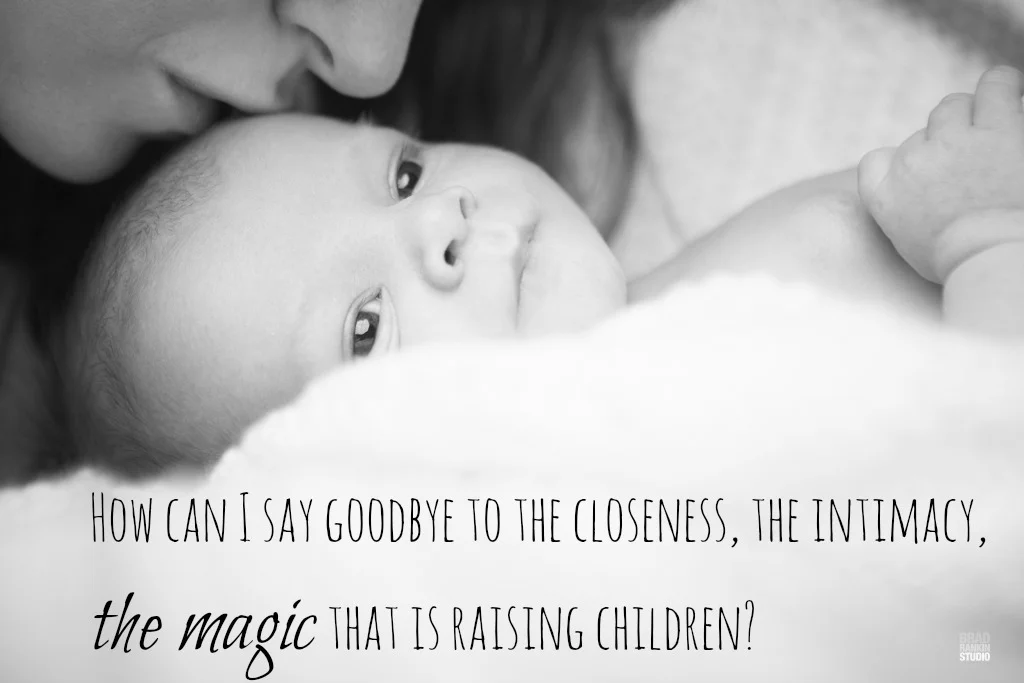
When are you done having kids?
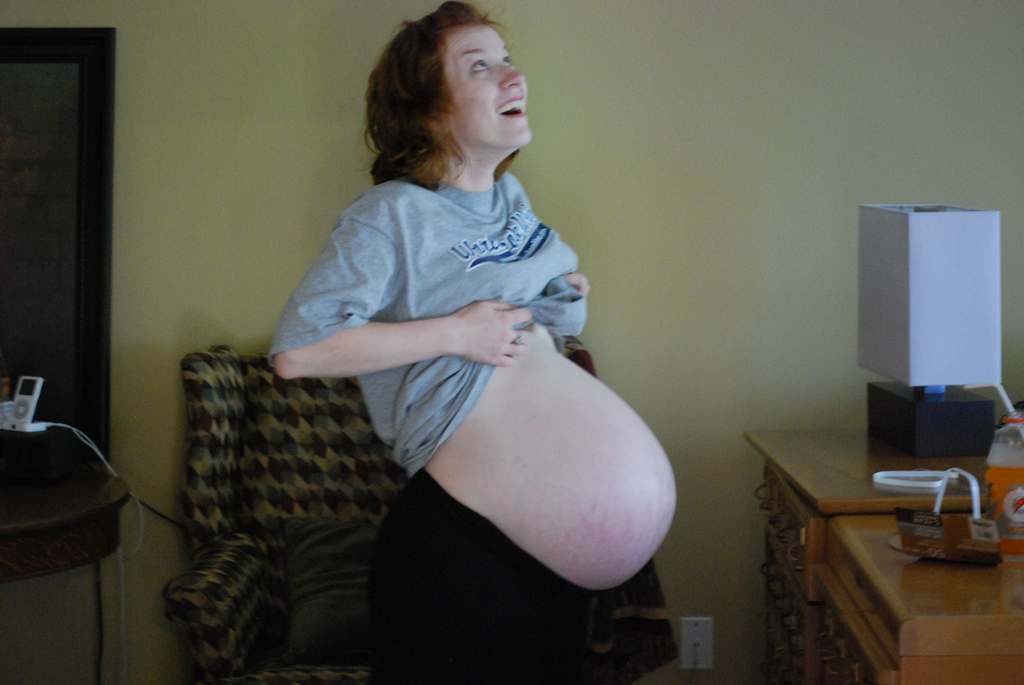
I thought that after a year and a half pregnancy in 14 months I would feel different. I thought that after the heartbreak of pregnancy loss followed closely by the emotional and hormonal roller coaster of another pregnancy I would feel certain.
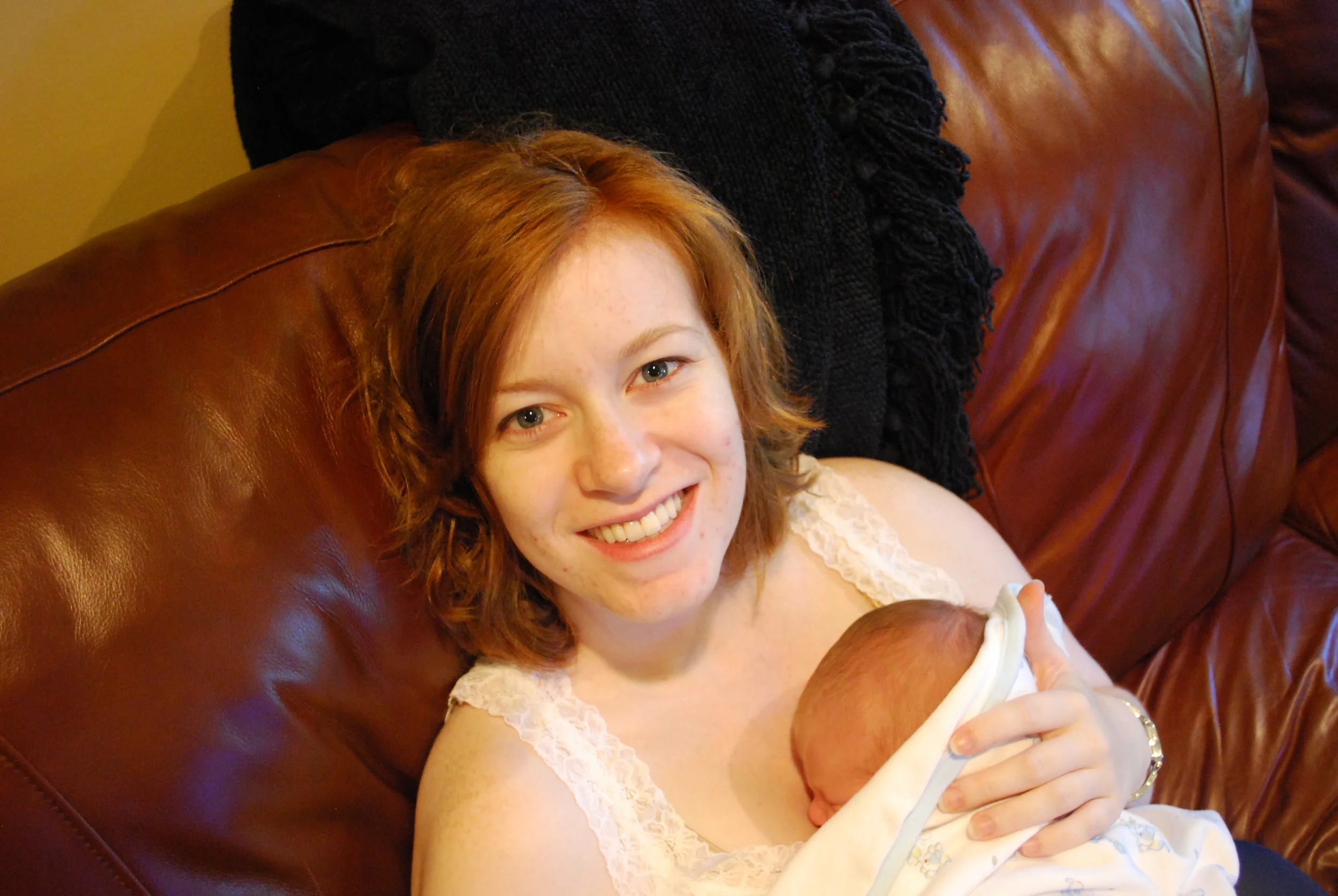
I thought after the nausea and the hip pain and the sleepless nights I would hold this baby in my arms, look down at him, and say, "Hello, little one. You are my last."
I tried.

I thought that after a year and a half pregnancy in 14 months I would feel different. I thought after the heartbreak of pregnancy loss followed closely by the emotional and hormonal roller coaster of another pregnancy I would feel certain.
I thought after the nausea and the hip pain and the sleepless nights I would hold this baby in my arms, look down at him, and say, "Hello, little one. You are my last."
I tried.
I see the devastated landscape that is my body and I want to feel that way. I think of the months of weight loss ahead of me and finally having just ONE wardrobe and I want to feel certain. I want to pack up all the baby products and pass along clothes I no longer have to sort and organize. I want to stop planning and wondering and living in the what if's.
I want to feel done.
My husband says he's done... although he's said that before. For the first few days after Felix was born, he would look at me and say, "This is your last three day old." "This is your last four day old. Soak it up!" After every female we know told him how cruel that was, he finally stopped.
I envy him. I envy my friends who just KNOW they are finished having kids. They have their reasons. Their bodies can't take it. Their budgets can't take it. Their marriages can't take it.
These are all good reasons. The problem is I know they don't apply to me. My body could have another baby. Another child would mean sacrifices, but we could do it. My marriage is strong and my husband (despite his cruel taunts) is a co-parent on the level most can only hope for.
I wonder if I would feel differently if I had a little girl. I know it makes the emotions surrounding this decision more intense. If I were to say goodbye to any more babies, I would also be saying goodbye to ever having a daughter. That's something I never thought I would have to do.
And yet... I still mean the words I wrote in this post. There are so many things I want to do. There are dreams that stand deferred while my house is full of little ones constantly demanding my attention.
But then...
Then, Felix smiles or babbles and I remember that babies are WORTH it. Then, Amos grabs my leg and says, "Mommy, I LOVE YOU!" and I remember toddlers are WORTH it. Then, Griffin stands proudly and recites a story he created himself and I remember kids are WORTH it.
How can I possibly give up all that? How can I close the door on what has been the most fulfilling and rewarding time of my entire life? How can I say goodbye to the closeness, the intimacy, the MAGIC that is raising children?
Ever since I've started this journey, the universe has reminded me in a million ways - both big and small - that I have to give up control and sacrifice certainty in exchange for that magic. One would think I would have accepted my fate but no.
Maybe I wouldn't feel through after 10 or maybe I would have felt done after one girl and one boy. Who knows? I still want the bigness of being a mother to fit into a nice little box. I want to know I'm through having kids. I want to know that this is my last baby. I want to know I'm doing the right thing.
But that's not who I am and that's not where I am.
Of that much I AM certain.




Why you can't spoil an infant
I love holding my babies. I've always felt like holding a sleeping infant is a form of meditation and I can feel my heart rate slow and my body relax as Felix naps on my chest.
I don't get to hold him enough. There are chores to do and places to go and I feel like I'm always rousing him to shove him in his car seat or his swing. I hate it and I get downright weepy when our snuggle time suffers.
And yet...
Since the week he was born I've heard the same message.
“You need to put that baby down.”
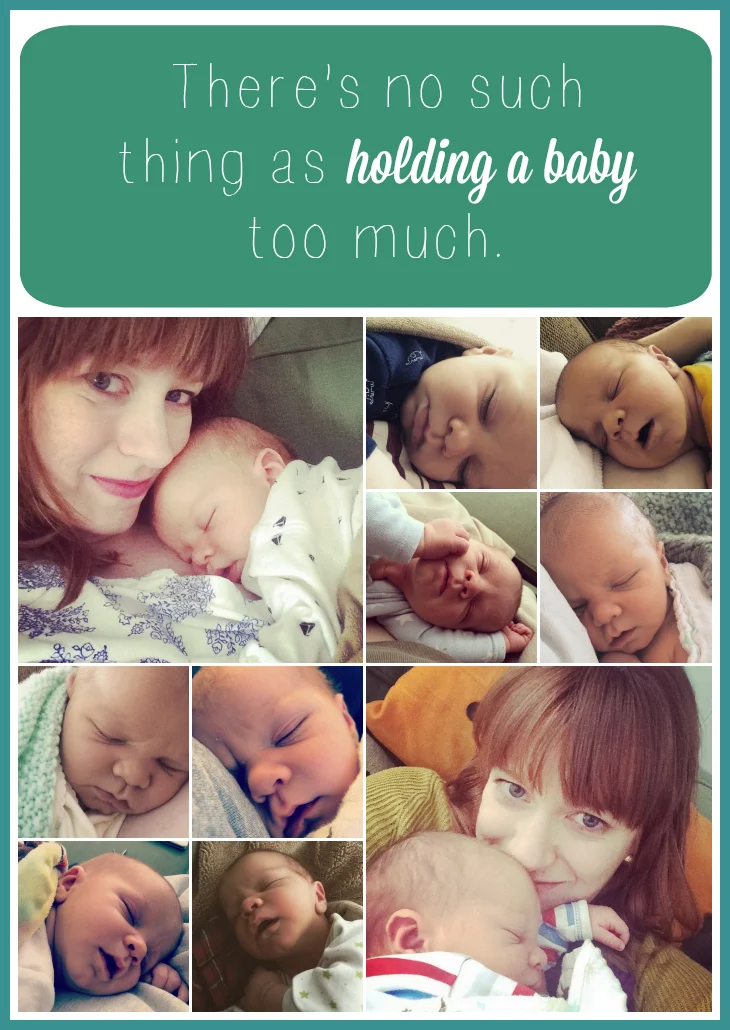
I love holding my babies. I've always felt like holding a sleeping infant is a form of meditation and I can feel my heart rate slow and my body relax as Felix naps on my chest.
I don't get to hold him enough. There are chores to do and places to go and I feel like I'm always rousing him to shove him in his car seat or his swing. I hate it and I get downright weepy when our snuggle time suffers.
And yet...
Since the week he was born I've heard the same message.
“You need to put that baby down.”
“You'll spoil him! You shouldn't hold him while he sleeps!”
“He's going to want to be held all the time, you know?”
Y'all. It's time to settle this once and for all.
YOU CAN'T SPOIL AN INFANT.
I am a true believer in Dr. Harvey Karp and his theory on the Fourth Trimester. Basically, human beings are born less developed than other mammals. We're born before our nervous systems are fully developed because our big brains wouldn't fit through the birth canal if we hung out too much longer.
According to Karp, during the first three months of life infants are basically still fetuses and respond to womb-like environments. He recommends recreating that environment with the 5 S's - sucking, shushing, swaddling, swaying, and side position.
Let me tell you. It WORKS.
And it is easiest to recreate with a baby in your arms (although let's all take a moment and send blessings and gratitude to the inventor of the baby swing!).
I can't imagine how stressful and disorienting it must be to be an infant. Anything I can do to ease that transition is worth it, even if that means holding him constantly.
Honestly, I don't really have a choice. I have a physical reaction to my baby's cries. I can feel the cortisol flood my system as my blood pressure and heart rate rises. The idea of putting Felix down so he doesn't “get used to” not having his deepest needs met is not something I'm interested in.
I like to tell people I'm a hardcore attachment parent... for three months. I believe in the fundamental philosophy that you create happy, confident children by meeting their needs consistently. Now, as they get older, the philosophies on how to meet those needs can vary.
However, with an infant, it's pretty simple. Babies like to be held.
Not to mention that I find the idea of babies “manipulating” adults ludicrous. Y'all, Felix is legitimately overwhelmed by pooping most days. The idea that he is capable of the advanced psychological development necessary to manipulate me into getting what he wants is downright laughable.
Now, I do believe as he gets older and more developed I will need to cut the proverbial cord so he can learn to self-soothe, entertain himself, and grow more independent. However, the idea that his age is not a massive contributing factor to those determinations is insane.
For example, a New York Times editorial recently asked “Do you have the guts?” to sleep train at 8 weeks. Apparently, Dr. Michel Cohen of the popular Tribeca Pediatrics in Manhattan advocates sleep training babies at 8 weeks of age. From what I can tell, he began this practice because some babies slept through the night so that meant ALL babies could sleep through the night. No matter that some of his patients report FOUR HOURS of endless crying by their infants with no successful training as a result!
I have successfully sleep-trained two children at 6 months – both of whom cried for 45 minutes the first night and then 15 minutes or less the next. Anecdotally, every friend I have who has sleep-trained at a similar age also reports approximately 45 minutes the first night. at 6 months – both of whom cried for 45 minutes the first night and then 15 minutes or less the next. Anecdotally, every friend I have who has sleep-trained at a similar age also reports approximately 45 minutes the first night.
I would argue this is because most babies are incapable of self-soothing before that age. (To those of you who have babies who sleep happily through the night at birth – keep that stuff to yourself!) In fact, Dr. Ferber – Mr. Cry It Out himself – doesn't recommend sleep training before four months because a child is not developmentally capable of self-soothing.
So, for the first three months at least, this momma will be holding her baby and breastfeeding on demand and generally loving him up whenever I can.
After all, Baby Felix is getting bigger every day and before long his needs won't be simple … nor will they be met with a nice, long nap on my chest.





Do Sex Offender Registries Work?
Last week, my husband and I were watching Our America with Lisa Ling. In an episode titled “State of Sex Offenders,” Ling spent time in Florida, a state with some of the toughest sex offender registry laws in the country. She interviewed men forced to live in tents in the woods due to zoning laws, a sex offender who helps other sex offenders find places to live, a sex offender recently released from prison, and Lauren Book, one of the state’s high profile survivors of sexual molestation and the driving force behind many of Florida’s registry laws.
During the show, I found myself feeling something that as a mother you are never supposed to feel—sympathy for sex offenders.
Recently, I had a conversation with a group of mothers about a recent (and heinous) child abuse case in Arkansas. We debated whether or not one should ever feel sympathy for child abusers and I was reminded of this post I wrote several years ago on Salt & Nectar.
Last week, my husband and I were watching Our America with Lisa Ling. In an episode titled “State of Sex Offenders,” Ling spent time in Florida, a state with some of the toughest sex offender registry laws in the country. She interviewed men forced to live in tents in the woods due to zoning laws, a sex offender who helps other sex offenders find places to live, a sex offender recently released from prison, and Lauren Book, one of the state’s high profile survivors of sexual molestation and the driving force behind many of Florida’s registry laws.
During the show, I found myself feeling something that as a mother you are never supposed to feel—sympathy for sex offenders.
It all started with Randy Young, the sex offender who helps newly released offenders find places to live. As he explained his reasons for doing what he does, I expected to hear that as a registered offender himself he knew the difficulties these men and women would encounter upon release from prison. Instead, he spoke about his mother and how she would drive him into dangerous neighborhoods desperately trying to find him a place to live. He could not live with her due to the registry laws that prevent a sex offender from living within 2000 feet of a place children congregate. He said he wanted to prevent the families of other sex offenders from going through the pain his own mother experienced.
There it was. Staring me right in the face. These men were sons and their mothers loved them as much as I loved my own son. And for me, nothing makes me feel someone else’s humanity more profoundly than realizing a mother once held that person—as a tiny, helpless infant—in her arms and loved them unconditionally.
As a society, we have gone out of our way to strip all humanity from this group—to the point where many are forced to live like the animals we believe them to be. We call them monsters because what they do is indeed monstrous. We call them predators because they prey on the most vulnerable of victims. But no matter what we call them or how we treat them, the difficult reality is that they are still human beings. They are someone’s son, someone’s wife, someone’s father, someone’s sister.
In a way, I think it makes us all feel better. If we don’t think of them as people, then we don’t have to worry about the people in our own lives. Of course, our doctor/neighbor/babysitter wouldn’t be capable of something like this. We would never invite a monster in to our home or our lives. If we can get on the Internet and find out where the real monsters live, then we can keep our kids safe.
The truth is most studies estimate 80-90% of molestation victims know their perpetrator and the same percentage of perpetrators have never been convicted of a sexual offense before. And according to some recent studies, the popular idea that all sexual offenders are likely to re-offend is unrealistic if not downright wrong. Unless, you factor in the opinion of many law enforcement agencies that feel that registry laws actually make a sex offender more likely to re-offend because it removes them from their support system and encourages them to disappear. So, what this tells me is these registry laws are not protecting children from the actual threat—a trusted member of their community who in all likelihood wouldn't be on the registry to begin with. Not only that, but that by continuing to punish the offenders after they are out of prison we might in fact be increasing the chances that they will harm a child.
So, what are we to do?
As a mother, I’m realizing that I can’t protect Griffin from everything. I can’t read the mind of every person he comes in contact with to determine whether it holds my worst fear. And I can’t help but feel that if I focus my energy on controlling everyone else I’m fighting a losing battle. Instead, I try to focus my energy on Griffin. We’ve already started talking about body parts and, as he grows older, I plan to continue that discussion to include appropriate and inappropriate touching. I never want him to feel like the subject of his body or sex is something to be ashamed of or embarrassed about.
But beyond that there is a message that I want Griffin to get loud and clear. A message I plan to repeat as often as humanly possible—which is there is NOTHING he can’t tell me. Nothing. I want him to understand that no matter what anyone else says there is nothing he could do or say that would make me stop loving him. I think as parents we feel this so profoundly we think it can go unsaid but it can’t.
At the end of the day, I know that if the unthinkable did happen, it wouldn’t be the police or a registry or even the offender I would blame—it would be myself. So, it’s up to me to do everything in my power to protect my son, including—and perhaps most importantly—giving him the tools and skills to protect himself.


The science of parenting: Is it safe to play outside?
In this series, I’m examining the science of parenting. In Part One, we discussed the the importance of the quality - not quantity - of time we spend with our kids. In Part Two, we looked at the science on what types of activities can be considered quality family time. In Part Three, I look at how our children spend their time, our perception of those activities, and what the science actually says.
Last week, I took the boys to our local park after school. I had just read an editorial making a strong case for free-range parenting. This quote in particular left me wondering if I give my own children enough opportunities to explore.

In this series, I’m examining the science of parenting. In Part One, we discussed the the importance of the quality - not quantity - of time we spend with our kids. In Part Two, we looked at the science on what types of activities can be considered quality family time. In Part Three, I look at how our children spend their time, our perception of those activities, and what the science actually says.
Last week, I took the boys to our local park after school. I had just read an editorial making a strong case for free-range parenting. This quote in particular left me wondering if I give my own children enough opportunities to explore.
“ ‘We are depriving them of opportunities to learn how to take control of their own lives,’ writes Peter Gray, a research professor at Boston College. He argues that this increases ‘the chance that they will suffer from anxiety, depression, and various other mental disorders,’ which have gone up dramatically in recent decades. He sees risky, outside play of children among themselves without adult supervision as a way of learning to control strong emotions like anger and fear.”
So, I decided on that day to let Griffin cross the street from our local neighborhood park and go to the market to buy juice for him and his brother. I gave him $10 and instructed him to watch carefully for cars, be polite and respectful to the cashier, and come back to the park as soon as he was done.
I watched him cross the street with a lump in my throat and loud voices in my head screaming about all the things that could go wrong. He could get hit by a car. He could be approached by a stranger or a predator. He could break something or otherwise wreak havoc in the store.
The two friends at the park (and even my own husband) were shocked I had let him go. They voiced the fears already marching through my head.
However, I took a deep breath and reminded them (and myself) that he was mere yards away, that he would be fine, and - most importantly - I try not to make decisions out of fear and teach my children to do the same.
The pride on that child's face upon his return was a sight to behold and all the confirmation I needed that I had done the right thing. Being trusted with money, helping out his little brother, and showing his mom he could do it was such a big deal to this little kindergartener.
In fact, he did such a good job. He's also been allowed to play outside alone in our cul-de-sac with two older neighbor boys.
The debate surrounding this type of “free-range” parenting is particularly relevant to the discussions regarding the recent study concluding that quality time with our kids is more important than quantity. Yes, we need time together as a family.
However, our kids also need time alone - away from parental influence and supervision - to explore, to problem-solve, to learn to control their own lives and emotions.
Unfortunately, OUR emotions are getting in the way.
But what’s the real reason?
“There appears to be no link between play patterns and play provision; children are no more likely to play outdoors, or play further away from home if there are adequate opportunities provided within their neighbourhood. Rather, the evidence of this paper is that the most significant influence on children’s access to independent play is not the level of public provision of play facilities but parental anxieties about children’s safety and the changing nature of childhood”
We are AFRAID. Plain and simple.
What exactly are we afraid of?
Recently, I was discussing letting Griffin walk home alone from the bus stop. This is literally .1 miles from my home and that’s if he doesn’t cut through my neighbor's yard. My stepfather exclaimed I couldn’t do that because someone could stake out his schedule and snatch him.
Y’all. That is insane.
The chances of that happening are about the same as Griffin inventing a hovercraft to fly that .1 mile home and achieving this technological marvel before the end of the school year.
The fact is that this is the safest time to be a child in all of human history.
Child victimization has been in a steady decline for forty years. Based on the crime statistics kept since the 1970s: child sexual abuse is down 53 percent; physical abuse is down 52 percent; aggravated assault is down 69 percent; robbery is down 62 percent; larceny is down 54 percent.
Thanks to anti-bullying and public education campaigns, bullying has dropped by a third in the last five years.
The odds of your child actually being kidnapped and murdered stand at about 1.5 million to one.
1.5 million to one.
So, the actual risk of letting your children play outside alone is incredibly low. The irony is the actual BENEFIT of letting your children play outside alone is incredibly HIGH.
Children who play outside have lower rates of obesity. Children exposed to dirt and germs have healthier immune systems. Studies have shown children learn important social skills on the playground and that outside play can reduce stress and the symptoms of ADHD.
What is actually dangerous to children?
Cars.
In other words, driving your children all over town for carefully monitored and adult-directed play is MORE DANGEROUS than opening your front door and telling them to “Go outside and play!”
This is something I've written about before. The presence of any risk doesn't define a situations as dangerous for kids OR adults.
In an article entitled "Why Parents Should Stop Overprotecting Kids and Let Then Play," editor at large for Psychology Today Hara Estroff Marano best captures the situation.
"Risk is an inherent part of life. Success and happiness hinge not on the elimination of risk but on the reasonable management of risk."
I think this might be about more than risk.
I've recently learned through my own struggles with anxiety that the presence of anxiety often means we feel a lack of control. We want to control every aspect of our children's lives. I know I do. The less rational part of my brain tells me if I'm there controlling every aspect of their lives I can keep bad things from happening.
But you know - and I know - that's absurd.
Bad things happen and they will happen to our kids - despite our best efforts. All we can hope for is that we will have prepared them as best we can. We have to TRUST that they can make good decisions and give them the opportunity to try within reasonable boundaries. We have to say, "I know it's scary but I know you can do it."
We have to open the door wide and let them go outside and play.
Do you let your children play outside alone? Did you play outside alone as a kid?
The science of parenting: What does "quality time" mean?
In part one of this series, I discussed a recent study that found increased maternal time was not necessary for happy kids. In fact, it was the quality of time - not quantity of time that counts. In this post, I ask what does the science say about quality time?
I'll never forget a conversation I once had with a close friend about being a work-at-home mom. She was bemoaning the hours she spent during a recent snow day keeping her kids entertained by playing My Little Ponies.
I was sympathetic to her plight but told her I couldn't really commiserate.
"I don't really play with my kids," I told her.

In part one of this series, I discussed a recent study that found increased maternal time was not necessary for happy kids. In fact, it was the quality of time - not quantity of time that counts. In this post, I ask what does the science say about quality time?
I'll never forget a conversation I once had with a close friend about being a work-at-home mom. She was bemoaning the hours she spent during a recent snow day keeping her kids entertained by playing My Little Ponies.
I was sympathetic to her plight but told her I couldn't really commiserate.
"I don't really play with my kids," I told her.
She was shocked and asked why I didn’t feel guilty for not playing with my children since I was home all day. I told that I read books obviously and played the occasional game of Candyland but, overall, I expected them to entertain themselves.
Truthfully, I have never carried a lot of guilt about constantly playing with my kids. Before I ever became a mom, I read an article arguing that parental play was unnecessary and often detrimental. Kids need time to engage in their own forms of creative play and often adults over-direct, over-instruct, and plain old get in the way.
After all, the idea of "playing" with your kids is a recent invention. My mother didn't spend hours playing with me. As an only child, I spent hours playing by myself. My mother never EVER felt pressure to entertain or constantly engage with me.
If I told her I was bored, I got the same response she got from her mom and the same response my grandmother had received from my great-grandmother.
"Only boring people are bored."
That or she helpfully suggested I could clean the stove.
My family spent quality time together, but it was not always on MY terms. For some reason, time together as a family has now come to mean time together entertaining the children.
In her phenomenal book All Joy and No Fun: The Paradox of Modern Parenting, Jennifer Senior speaks to this new intensive model of parenting.
“ The way most historians describe this transformation is to say that the child went from “useful” to “protected.” But the sociologist Viviana Zelizer came up with a far more pungent phrase. She characterized the modern child as “economically worthless but emotionally priceless.” Today parents pour more capital—both emotional and literal—into their children than ever before, and they’re spending longer, more concentrated hours with their children than they did when the workday ended at five o’clock and the majority of women still stayed home. Yet parents don’t know what it is they’re supposed to do, precisely, in their new jobs. “Parenting” may have become its own activity (its own profession, so to speak), but its goals are far from clear.” ”
It makes sense on a certain level. If our goal is to raise happy, healthy children then let's do whatever makes them happy. Let's play Legos for hours. Let's fill every moment of our free time with birthday parties and bounce houses and extracurricular activities.
Though our hearts might be in the right place, this intensive form of parental interaction which begins with lots of play time and so often becomes helicopter parenting isn't good for anyone.
A recent survey of college freshmen with self-described helicopter parents was found to be less capable of dealing with real world problems. The study found, “Students with helicopter parents tended to be less open to new ideas and actions, as well as more vulnerable, anxious and self-consciousness, among other factors, compared with their counterparts with more distant parents.”
So, what does the science say about positive forms of quality time?
As we all re-arrange our lives and schedules to fit the demands of our “economically worthless but emotionally priceless” children, one form of scientifically-proven quality time has suffered.
Unfortunately, the family dinner has become rare just as the science on family dinners has become more and more conclusive. Kids who eat with their families three or more times a week are less likely to be overweight, perform better academically, and are less likely to engage in risky behaviors such as drug abuse and early sexual activity.
I grew up eating dinner regularly with my family and it is still the source of some of my fondest memories. We try to eat dinner every night as a family and we have Sunday family dinners with my parents and grandmother every week as well.
Now, in the spirit of full disclosure, my husband cooks. He plans our week’s meals and goes to the grocery store during the weekend. Then, he comes home most nights of the week and prepare a delicious meal for us. So, it is VERY easy for me to talk about family dinners and how beneficial they are to our family.
I understand that is not the reality for most families but I also know that a family dinner could also be a family breakfast or weekend brunch or basically any time when the family is interacting as a whole and not catering to the whims of a child.
I truly believe that the most beneficial time for children is time that both the parents AND child enjoy. I don’t particularly enjoy playing Minecraft (or talking about it for hours) or going to Chuck E. Cheese or watching hours of Curious George. I do enjoy seeing my children happy and so I make some time for those activities.
However, my favorite family time is when we are all engaged together. We are eating a meal and talking about our days. We are walking the Greenway Trail and sharing stories. We are geocaching and solving a challenge by working together.
After all, I don't believe my goal is to make my children happy at the cost of my own happiness or the happiness of our family as a whole. I'm not just raising children. I'm raising a family and time spent to that end is truly valuable.
How do you spend quality time as a family?
PART ONE: How much time should we spend with our kids?
PART THREE: Is it safe to play outside?
The science of parenting: How much time should I spend with my kids?
At least once a week, I have the same conversation. I’ve had this conversation with working moms and stay-at-home moms. It is usually during a meeting or other week night obligation and it always begins with a mommy friend expressing guilt about being away from her kids.
Despite encouragement and reassurance that her kids are fine, I always get the same response, “I just feel like I should BE there.”

This is the first part of a series in which I explore whether or not how we FEEL about parenting issues reflects the actual FACTS.
At least once a week, I have the same conversation. I’ve had this conversation with working moms and stay-at-home moms. It is usually during a meeting or other week night obligation and it always begins with a mommy friend expressing guilt about being away from her kids.
Despite encouragement and reassurance that her kids are fine, I always get the same response, “I just feel like I should BE there.”
Now, let's examine the facts. American mothers spend more time with their children than in any other time in history. If you were born in the 1970s and you currently work full time, there is a strong chance that you spend more time with your children while working full time, then your mom did even if she stayed home.

Y’all, that is bananas.
We have invented a lot of time-saving technology in the past thirty years but we didn't add more hours to our day! That means we are sacrificing sleep, self-care, and practically ALL of our free time to spend more time with our kids.
And on top of it all, we still feel guilty!
Well, do we feel guilty for a reason? Were our mothers and their mothers before them absentee parents who harmed their kids? Despite all this additional time, is there a chance our children still need more?
Turns out. NO.
This week the Journal of Marriage and Family published the first large-scale longitudinal study of parent time which found NO (zero, zilch, nada) positive effects from spending large amounts of time with your children. The study focused specifically on maternal time and found with regards to children ages 3 to 11 it was the quality of time spent with children not the quantity that matters.
Here’s a quote from the study itself.
“Both time mothers spent engaged with and accessible to offspring were assessed. In child-hood and adolescence, the amount of maternal time did not matter for offspring behaviors, emotions, or academics, whereas social status factors were important. ”
Read that. Read it again. Keep reading it until it sinks in.
The amount of maternal time DID. NOT. MATTER.
This is what happens when we parent based on emotion instead of facts. I’ve written before about the way in which I let emotions almost ruin my marriage. If I felt like Nicholas didn’t love me, surely that meant Nicholas didn’t love me.
Turns out. Not so much.
I’ve just recently come to realize that this principle also applies to parenting. Just because I feel like I’m not doing enough for my kids doesn’t mean I’m actually failing my children.
Emotions are based on all manner of input from our own insecurities, experiences from our own childhood, and especially outdated and sexist cultural assumptions about the role of women in the home.
We all to take a step back and look at the science, look at the evidence, look at our own reality.
We might feel guilty for working outside the home but the reality is less time with our kids is not harmful. We might feel like we should spend all our time as stay at home moms engaged with our children but the reality is more doesn't always equal better.
Don't’ get me wrong. Emotions are important. Emotions steer us in the right direction most of the time. However, they cannot be our entire roadmap.
Now, if you actually miss your kids, that's one thing. If you miss your kids, then don't let anyone guilt you into leaving your family. Stay home. Soak 'em up. By all means.
However, in the immortal words of Leslie Knope, “ 'Do you miss your kids while you're at work?' Of course I do. Everybody does. And then, you know, sometimes I don't."
If you don't miss your kids, then STOP FEELING GUILTY ABOUT IT.
Depending on their age, kids need lots of things. Babies and toddlers do need lots of time to form loving attachments with their primary caregiver. Surprisingly, at the other end of the age range, the study found that more maternal time did have a positive impact on teenagers. (Of course, when you think about the huge biological and psychological growth that happens during those two time periods maybe it’s not that surprising.)
However, from the ages of 3 to 11, your children do not need every single second of your spare time. Assuming your children live with you for 18 years that is HALF of their childhood.
So, listen to the scientists. Take a break. Take a walk. Heck, take a child-free vacation.
And leave your guilt behind.
How much time do you spend with your kids? Do you feel like it's never enough?
PART TWO: How should our kids be spending their time if it's not with us?
PART THREE: Is it safe to play outside?
7 Myths About Homeschoolers
Hello, Bluegrass Redhead readers! I'm excited (and nervous) to be sharing in this space. Sarah and I go way back to 2009 when we met through our midwife and had babies within a week of each other. (My second, her first - both boys.) We've been debating current events ever since!
There are a few disclaimers I'd like to start this post with:
First, I'm a textbook INTJ Gen-X-er, meaning my mantra is "You do your thing; I'll do mine."
Second, I'm not here to debate the merits of any one kind of education. (see disclaimer #1)
We are homeschoolers. Most homeschoolers will tell you they never thought they'd be homeschooling. I'll go even further: I never thought I'd have three kids and stay home with them full-time, much less be homeschooling them. But here we are, and most days we're happy about it.
If you ask ten families why they homeschool, you'd probably get ten different lists of reasons. Still, given statistics from the US Department of Education, the number of homeschooling families is growing and their motivations are changing.

Hello, Bluegrass Redhead readers! I'm excited (and nervous) to be sharing in this space. Sarah and I go way back to 2009 when we met through our midwife and had babies within a week of each other. (My second, her first - both boys.) We've been debating current events ever since!
There are a few disclaimers I'd like to start this post with:
First, I'm a textbook INTJ Gen-X-er, meaning my mantra is "You do your thing; I'll do mine."
Second, I'm not here to debate the merits of any one kind of education. (see disclaimer #1)
We are homeschoolers. Most homeschoolers will tell you they never thought they'd be homeschooling. I'll go even further: I never thought I'd have three kids and stay home with them full-time, much less be homeschooling them. But here we are, and most days we're happy about it.
If you ask ten families why they homeschool, you'd probably get ten different lists of reasons. Still, given statistics from the US Department of Education, the number of homeschooling families is growing and their motivations are changing.
We've been at this officially for a year, but our kids have never regularly been to preschool, so we've been at it unofficially much longer. I've noticed the second I say, "We homeschool," folks often look surprised. After years being surprised at their surprise, it occurred to me that the homeschool stereotypes from the '80s are stubbornly sticking around.
So, today I'm tackling a few of those myths. We certainly don't represent all homeschoolers, but in my experience we're pretty average.
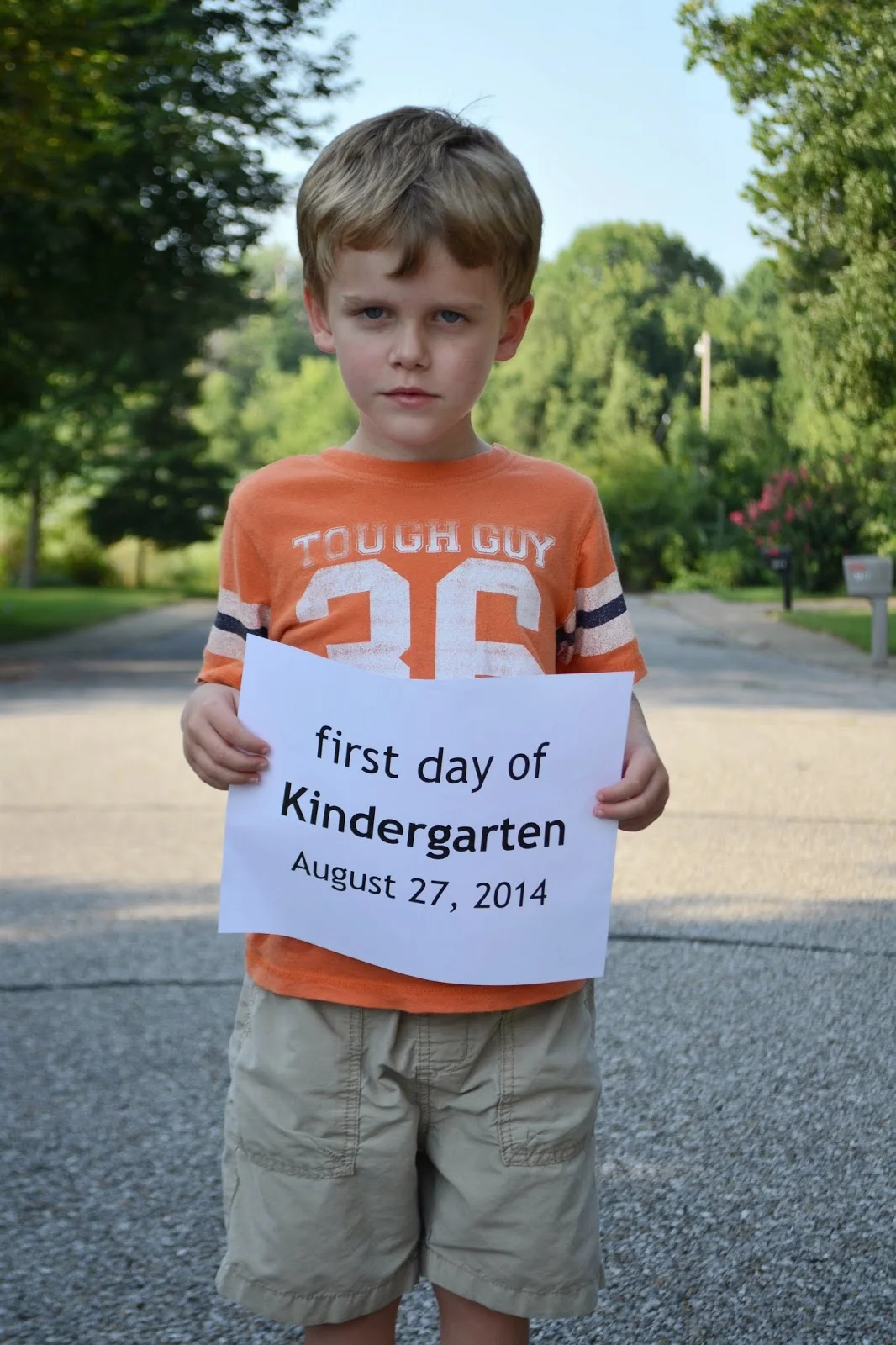

Homeschoolers Only Wear Denim (or khaki) Skirts and Never Cut Their Hair
I'm not knocking skirts or long hair -- some of my friends only wear skirts and don't cut their hair -- but the choice isn't synonymous with homeschooling. Sometimes I wear skirts. Sometimes I wear skinny jeans. Sometimes my kids wear shirts with Tie Fighters on them. My hair is short and wild. My daughter's hair is rarely quaffed. I have a homeschooling friend whose kids wear all Matilda Jane all the time. I've got another homeschooling buddy whose kids never wear shoes. Wait. That's my kids.
Bottom line -- homeschoolers look like the people next to you at the grocery, gym, or playground. Or church.
Which brings me to another myth. . .
Homeschoolers Are All Religious Zealots
I'm a Christian. I also vote Democrat. (Except that one time in 1996 when Ross Perot was on the ballot. It was my first time voting, and I wanted to see if that whole "every vote counts" thing was true. Also, I'm always pulling for the underdog.) Oh, and I frequently use the words "FOX News" and "gag" in the same sentence, so there's that.
The first homeschooling groups we joined were secular because those were the only active groups I could find in our area. There were lots of people in those groups. Here in our new town, we're members of Christian co-ops, but they certainly aren't exclusive to Christians. And there are also secular groups here, too. We are friends with agnostic folks, Jewish folks, and Methodist folks. Protestants and Catholics. Atheists. Former Seventh-Day Adventists. Mormons. Lots of them homeschool. We love them all and (I like to think) they love us, too.
Bible education is part of our curriculum, just as it would be in another educational setting. We'd do it at home, just like lots of public school parents do.
We don't homeschool because we are religious zealots, but we do get to spend time becoming more zealous about religion. And math and reading and history. But another myth is. . .
Homeschoolers are Aiming for Perfect SAT Scores
We've got a saying around here: "Academic success does not predict success in life." While academics are important, we believe emotional intelligence is equally (or more) important. Most families I know wouldn't cite academics as the #1 reason they've chosen to homeschool.
We'll prepare our kids for college. If they want to learn a trade, we'll prepare them for that. We will teach them to change a tire, wash their own laundry, and cook meals. We'll teach them to read, write, and do math.
Our goal is help them reach their potential so they can be fulfilled and simultaneously be considerate, kind human beings. My goal is not to help them get into ivy league schools. If that happens along the way, great. But I'll be much more impressed if they learn to rinse the toothpaste out of the sink and hold the door open for the woman carrying the baby.

Another myth: all homeschooling moms do crafts. I had to dig DEEP into my photo files to find this one.
Homeschoolers Think Public Schools Stink
My husband and I are products of public schools - elementary, secondary, post-secondary, and graduate school. We both had very positive experiences all the way through school. I always assumed (and felt strongly) that our kids would attend the neighborhood schools.
Then we changed our minds, as people often do.
It has nothing to do with the quality of our neighborhood school. We are lucky enough to live in a district with high-performing schools that are safe and easily accessible. (An elementary school is within sight of our house.) As a former teacher (university, community college, and sub for elementary/middle/high) myself, I have tremendous respect for teachers. My mom works in the public school system. Public education is crucial to our country's livelihood.
There are certainly problems with public schools, but we feel lots of kids (including one, two, or three of our own) can succeed there. Mostly our problems with it are more systemic -- problems with bureaucracy and arbitrary one-size-fits-all standards.
I can't speak for everyone, but folks I know choose home education for more complicated reasons than "public schools stink."
Homeschooled Kids are Sheltered
Well, now, this one's not a myth entirely. I consider it my job to shelter my kids from things I feel they aren't developmentally ready to do. Does it mean I don't allow them to face challenges, protect them from all unpleasantness, or only allow them to socialize with certain groups? Absolutely not.
When we moved here 18 months ago, my husband and I hit a rough patch in our marriage. (Ahem. Understatement.) Our kids witnessed a marriage in trouble. They've watched us reconcile and repair our union. Our cat died, and the boys helped dig his grave. At least once every couple of weeks they have a tiff with a buddy they have to work out. Their school work is tough at times. They deal with consequences, both natural and manufactured by us, on a daily basis.
I'm not naive enough to believe our lifestyle doesn't shelter the kids just by its nature. We live in a small, suburban Midwestern town where my husband can't go to the grocery store without seeing his Kindergarten teacher or middle school best friend. It's the kind of place where kids still roam the neighborhood on their Huffy bikes, families take afternoon walks, teenage boys play football in the open field nearby, and girls sell Girl Scout cookies door-to-door without a parental escort.
Our kids likely aren't going to have someone break into their house and walk by them as they sleep on the couch or see a vial of crack in middle school. (Both things I could've lived without experiencing.)
I don't believe kids have to be "toughened" to get real-world coping skills. We've moved beyond believing bullying is a "right of passage," and we should move beyond believing there's only one way to prepare kids for The Real World.

Homeschoolers are Unsocialized or All Traditionally Schooled Kids are Socialized
I almost didn't include this one because it's just so outdated. But for some reason it's still the first question people ask. "Are you worried about socialization?" It's the first question our doctor asked, and it's the first question family members ask. It's the first question adults who've been homeschooled get asked, too, I'd imagine.
If it were up to me, we'd live on a mountain, raise our own food, and only come down once a quarter to buy essentials like toilet paper. (Maybe.)
I'm kidding. Sort of.
Most homeschoolers I know are involved in co-ops or other groups of some kind. There are lots of organizations available in most communities: field trip groups, play groups, Classical Conversations, fine arts groups, farm class (we did this in NC and it was awesome), etc. Then there's the other activities: sports, academic clubs, libraries, civic organizations, church, arts organizations, nature centers, etc. Then there's the neighborhood. Then there's the socialization of being with immediate and extended family.
Our kids are more social than I ever was.

Homeschoolers are All Alike
Maybe this isn't a real myth, but I thought it'd be a nice way to sum things up and remind you that we're just one homeschooling family, and I'm only an expert on us. Homeschooling families are just as varied as traditionally schooled families. There are dozens of methods of educating at home, and most families choose an eclectic version of methods.
If you're curious what our day looks like, I've written a whole post about it. While you're there, you can cruise around and find lots of evidence of bad grammar, worse math, and other reasons I probably shouldn't be homeschooling our kids. Come see me on Instagram, too -- it's my favorite (virtual) place to hang out.
Thanks for having me, Sarah!

Michelle Martini spends early mornings running, days homeschooling, afternoons decompressing, evenings wifing, and late nights sewing. Sometimes she blogs about any or all of these things at Handmade Martini, but more often she shares snapshots on Instagram.
Growing Pains
I miss the blissful simplicity of my firstborn. I know so many people feel overwhelmed by become a parent for the first time but all I remember (with rose-colored glasses, of course) is how right everything felt.
I knew I was going to screw up. I knew I wouldn’t get everything right. However, I also knew that I was poring my whole self into this little being and it felt so so good. I could cuddle and fawn over him until my heart was content. It was just me and him, him and me.
Things seem more complicated before you even get pregnant with the next child. You wonder if you’re doing the right thing. You wonder how you will ever love another child as much as you love the first one. You wonder what the gender will be and what that will mean for your family. All of a sudden there is another world of good and bad possibilities opened up because you have another person to consider now.

I miss the blissful simplicity of my firstborn. I know so many people feel overwhelmed by become a parent for the first time but all I remember (with rose-colored glasses, of course) is how right everything felt.
I knew I was going to screw up. I knew I wouldn’t get everything right. However, I also knew that I was poring my whole self into this little being and it felt so so good. I could cuddle and fawn over him until my heart was content. It was just me and him, him and me.
Things seem more complicated before you even get pregnant with the next child. You wonder if you’re doing the right thing. You wonder how you will ever love another child as much as you love the first one. You wonder what the gender will be and what that will mean for your family. All of a sudden there is another world of good and bad possibilities opened up because you have another person to consider now.
And it doesn’t change. With every pregnancy I’ve wondered if I’m doing the right thing. Can I still be the mother I want to be if I add another child to the mix? What if something goes wrong? What if I’m challenged in ways I can’t imagine? What will that leave for my other children?
Then, the next baby arrives and your worries and fears dissipate in a way. It doesn’t matter anymore whether or not you’re doing the right thing because you are doing it. There’s no worrying about the children that came before because now the idea of another child or the blurry images in an ultrasound picture is HERE.
Your galaxy now contains another planet.
Now, the growing pains that existed in the logical part of your brain shift to the emotional center of your heart.
Now, you must find space for another source of boundless, infinite love. Except - with this new one, with another one - you have to make peace with the fact that it is no longer a 1:1 ratio. It isn’t you and him and him and you. It is him… AND him…. AND him.
It feels like trying to watch three sunsets simultaneously. The second you look to the beauty of one you miss the beauty of another. You feel your heart stretching and growing and trying so hard to do it all - for ALL of them.
When Amos was born, I fought it so hard. I was young. I was full of energy. Plus, they were so little. Surely, if I tried hard enough, I could find a way to meet every need of my two-year-old and my baby.
I tried and I failed and I made my peace with my new reality.
Now, Felix is here and again I feel my heart stretching. I want to read to Griffin and be outside with Amos and let Felix sleep peacefully on my chest all at the same time. I know I can’t. I don’t fight it. But that doesn’t make it hurt any less when Amos says, “Momma, pick me up! I won’t hurt the baby.” or when I have to send Griffin to Daddy for help with his homework because I’m breastfeeding.
It is the most poignant of pain. It hurts because I am in the presence of something so big and powerful and wonderful sometimes the beauty of it overwhelms me.
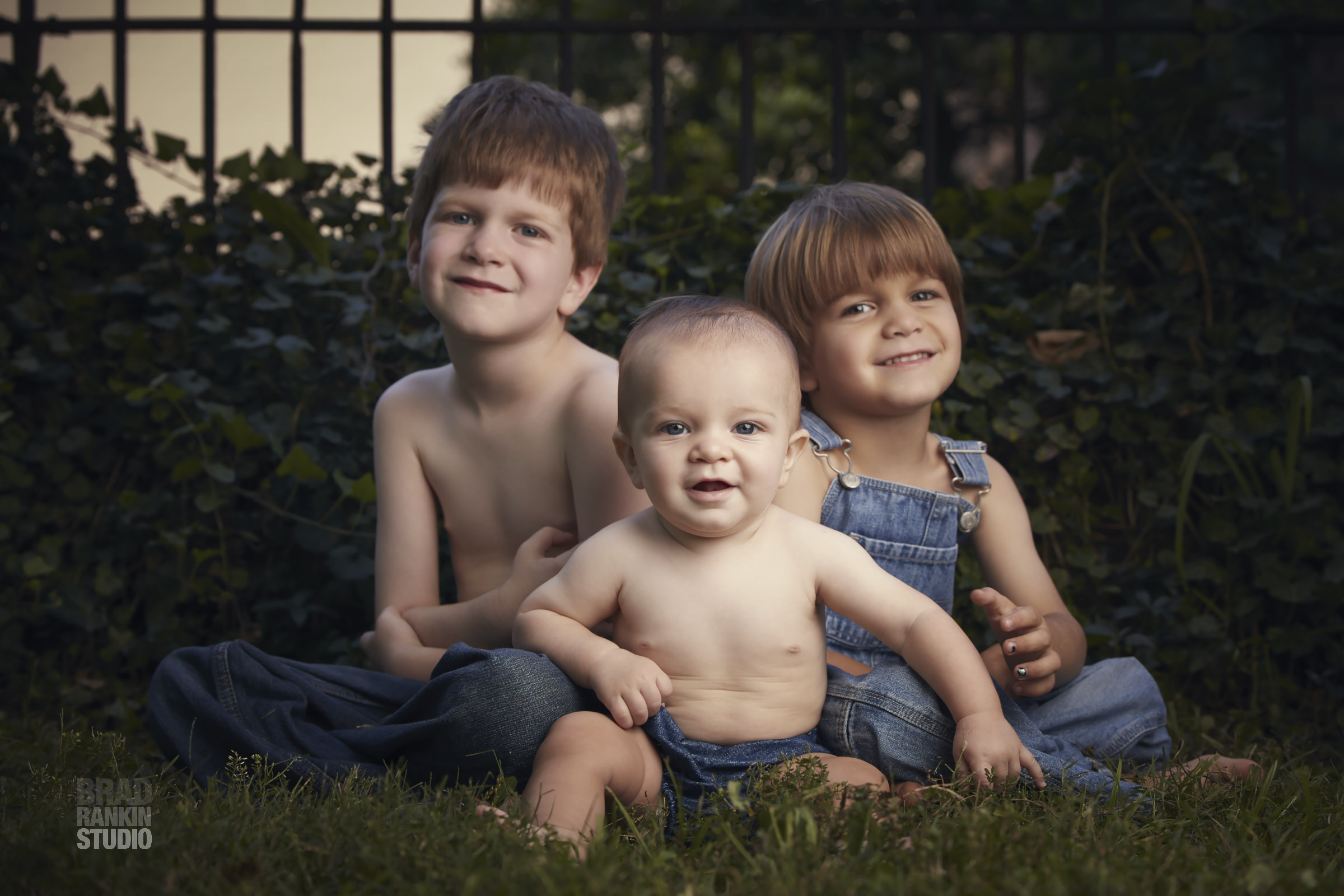
I am the mother of three sons.
But, my universe has expanded and my heart will as well.
My podcasts


Subscribe to my weekly email
- August 2017
- March 2017
- January 2017
- November 2016
- October 2016
- September 2016
- August 2016
- June 2016
- May 2016
- April 2016
- March 2016
- February 2016
- January 2016
- December 2015
- November 2015
- October 2015
- September 2015
- August 2015
- July 2015
- June 2015
- May 2015
- April 2015
- March 2015
- February 2015
- January 2015
- December 2014
- November 2014
- October 2014
- September 2014
- August 2014
- July 2014
- June 2014
- May 2014
- April 2014
- March 2014
- February 2014
- January 2014
- December 2013
- November 2013
- October 2013
- September 2013
- August 2013
- July 2013
- June 2013
- May 2013
Recently, I posted on Facebook that I was trying to stop yelling at my kids. There wasn't one rock bottom moment but there were enough bad days that I woke up one morning and thought, "I'm not going to yell at my kids today." Then, the next day I made the decision and the next and the next. Some days are harder than others but none was harder than that first day.